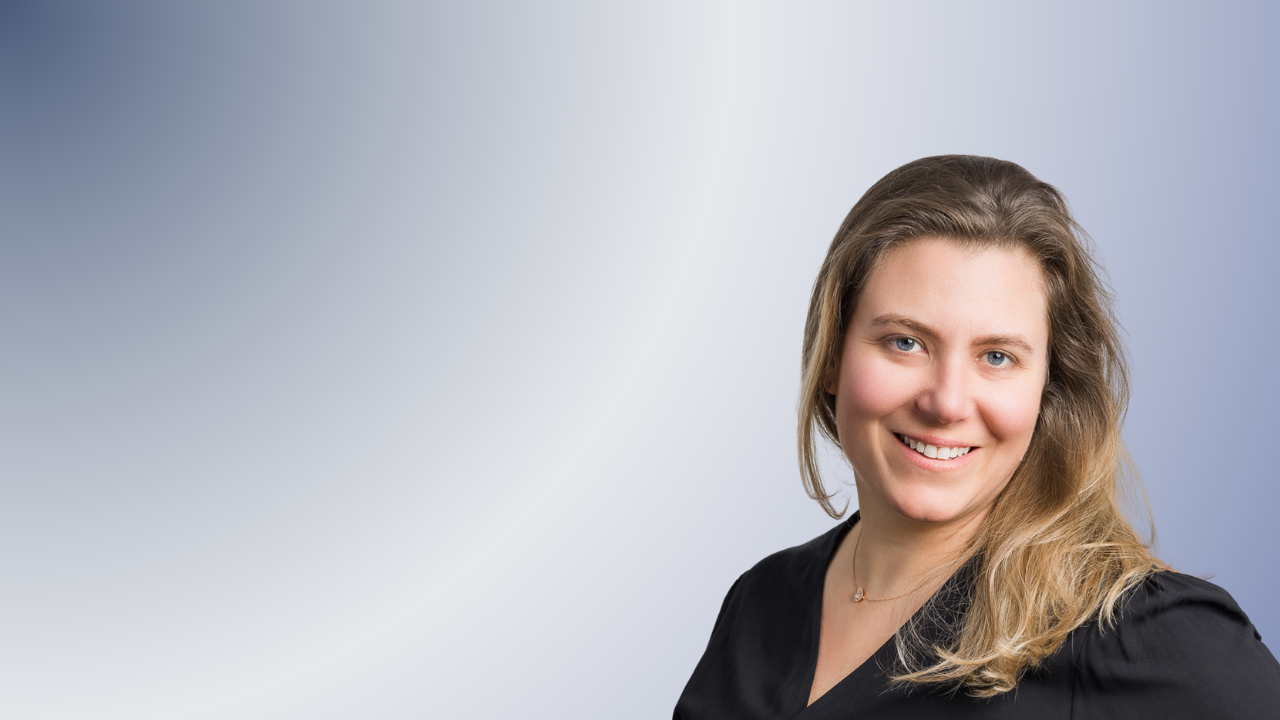
As the founder of AMS Patrimoine, Marie-Sophie Lecluyse has for several years championed a deeply human approach to wealth management. Trained at AUREP and with a background in wealth engineering, she advises individuals, business leaders, and families, while developing rare expertise in working with vulnerable populations. As the France Tutelle Ambassador for Occitanie, she places listening, ethics, and education at the heart of her independent advisory services. In this interview, she discusses her profession, client relationships, and the growing demands of an increasingly uncertain environment.
Is your role primarily about long-term planning or managing day-to-day emergencies?
My role is not limited to one or the other: it consists of creating a solid framework for the long term while providing concrete solutions to daily emergencies.
The long term is the foundation: structuring assets, securing personal matters, planning for retirement, optimizing taxes, protecting the family… These are the building blocks that allow my clients to move forward with peace of mind, without the risk of unpleasant surprises.
But in real life, there are also the unexpected: a divorce, a complicated estate, an investment opportunity, the sale of a business, the need to help a vulnerable parent… And in those moments, you need advice that’s responsive, pragmatic, and above all, compassionate.
As a CGP, I’m here to bridge the two:
- supporting urgent decisions without losing sight of the overall strategy;
- and building a comprehensive strategy that remains flexible enough to respond to emergencies.
Ultimately, my job is to be the trusted person to call when something happens—whether planned or unexpected—and to help find the best decision for today and for tomorrow.
What role do education and psychology play in your relationship with clients?
They play a central role—probably just as much as the numbers.
In wealth management, we talk about money… but above all about life plans, fears, family histories, vulnerabilities, succession, and difficult decisions. You can’t effectively support someone if you don’t understand who they are, what drives them, and what holds them back.
Pedagogy is what makes things understandable and accessible.
I refuse to let my clients sign anything they don’t understand.
My role is to explain, to translate, to simplify:
- to restore their decision-making power;
- to prevent mistakes;
- to help everyone move forward with confidence.
Psychology is what allows us to truly listen.
Every person comes with their own story: a business leader afraid of making mistakes, a parent worried about their children, a vulnerable person in need of reassurance, a couple needing to reconcile their goals…
You have to be able to put yourself in their shoes, hear what isn’t said, and respect their emotions and boundaries.
In my view, our profession isn’t just about optimizing wealth: it’s about guiding deeply human—and sometimes sensitive—decisions with precision, tact, and kindness.
It’s this approach that builds a lasting relationship of trust with our clients.
What do you think undermines trust the most: a temporary underperformance or inappropriate advice?
Without a doubt: it is inappropriate advice that undermines trust the most.
Underperformance, when explained, contextualized, and integrated into a coherent strategy, is simply part of a portfolio’s life cycle.
Markets rise, fall, and take a breather.
A client can accept this as long as they understand why it happens and the roadmap remains clear.
On the other hand, inappropriate advice leaves a lasting mark:
- because it shows that the client’s needs were not understood;
- because it can jeopardize a life plan;
- and because it creates a sense of having been misguided.
Trust is built on transparency, sincere advice, and consistency over time—not on the promise of a perfect return.
Marie Sophie LECLUYSE | Have client expectations evolved with the succession of recent crises (health, financial, geopolitical)?
Yes, definitely. Recent crises have profoundly changed client expectations.
Today, people no longer just want us to “invest their money.”
They want to understand, be reassured, and know that they are not alone in a rapidly changing world.
With Covid, inflation, rising interest rates, geopolitical tensions… many have realized that their wealth needs to be solid, adaptable, and above all, closely monitored.What my clients are now asking me is:
– “Am I well protected?”–
“How should I react if another crisis hits?”–
“Do my decisions make sense for my family, for the future?”
They expect more guidance, more personal attention, and more transparency.
They want things explained simply, to be told what matters, and to be helped in making the right decisions at the right time.
Ultimately, the crises have reminded us that wealth management is not a luxury:
it is a human-centered service that helps people stay the course, even when the news becomes uncertain.
How do you plan to strengthen the relationship of trust and client engagement in the coming years?
For me, strengthening trust and closeness isn’t just a promise—it’s a way of working, and I’ll continue to build on it in the years ahead.
First, by remaining independent.
My clients know that my advice is objective.
Second, by further developing educational outreach.
I want every client to understand what they’re doing, why they’re doing it, and what the consequences will be.
The more you understand, the more at ease you feel, and the more trust is built. I’ll also continue to strengthen personalized follow-up with:
- regular check-ins;
- simpler tools to visualize their situation;
- and genuine availability whenever they need it.
Finally, I want to remain deeply attuned to the human element: listening, understanding life changes, concerns, and plans.
Wealth is nothing more than a reflection of a personal story—and it is this story that must guide our advice.
In summary: greater clarity, more active listening, greater availability, and always the same commitment to independence and kindness.
That, for me, is what true closeness is all about.