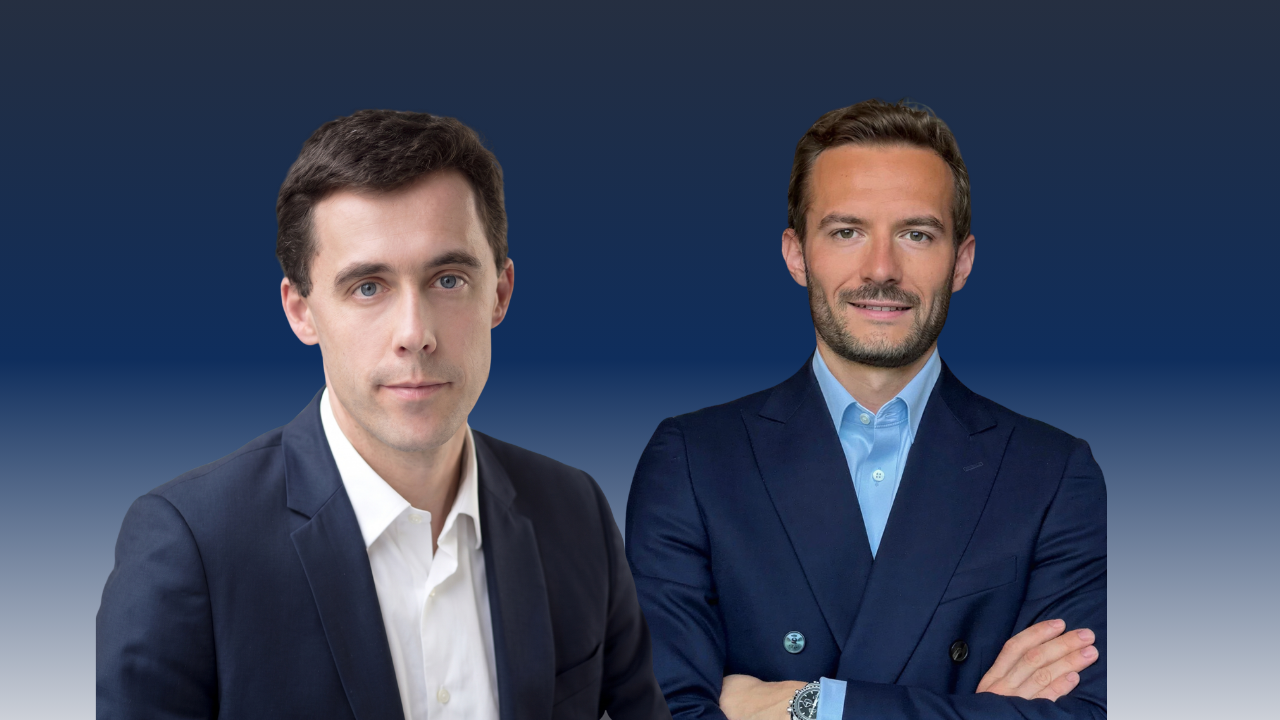
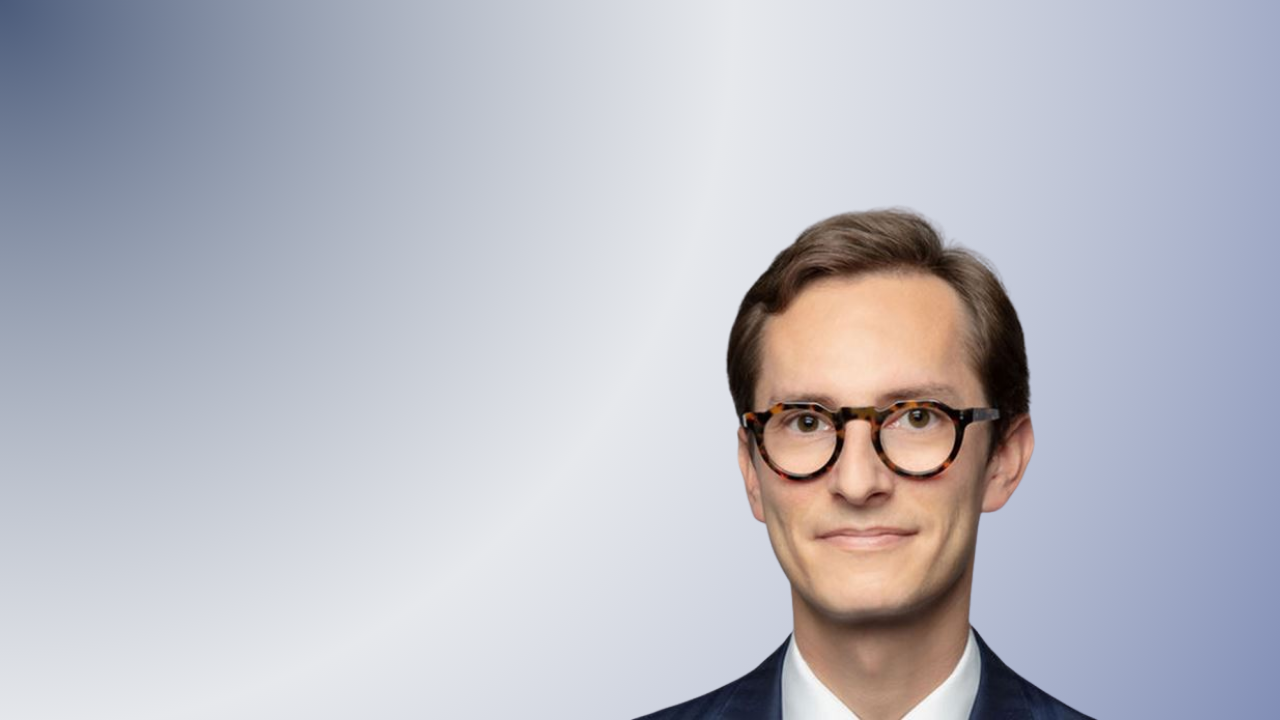
As the founder of Made in Finance, Tony Prévost has been helping clients build, structure, and optimize their wealth for the past two years, following nearly two decades of experience in the financial markets.
With a Master’s degree in market finance from Paris-Dauphine University, he has worked at the heart of the equity, private equity, real estate securities, and crypto-asset ecosystems, developing cross-disciplinary expertise that he now leverages to provide tailored support.
His hallmark: total independence, transparency, educational guidance, and a human-centered approach to finance.
His goal: to help his clients understand, anticipate, and make decisions with confidence in a world that has become more uncertain and demanding.
Is your role primarily about long-term planning or managing day-to-day emergencies?
My role is primarily to help my clients take a step back and look ahead. The value I provide is largely based on medium- and long-term planning: clarifying life goals, building a coherent strategy, and implementing the right solutions at the right time.
That said, as in many consulting professions, I also find myself managing day-to-day emergencies: a tax situation that needs securing, an investment decision to be made, a choice that requires a quick decision. These situations are part of the reality on the ground.
But they are not what defines the support I provide.
The core of my work is helping my clients move beyond the short term, find peace of mind in the face of financial complexity, and move forward in an organized manner toward their goals, whether personal, professional, or family-related.
It is this comprehensive and long-term vision that, in my view, creates the most value for them.
What role do pedagogy and psychology play in your relationship with clients?
They are absolutely central.
With a Master’s degree in market finance from Paris-Dauphine University and nearly twenty years of professional experience in this field, I have developed a solid technical foundation. But above all, I have come to understand that the value of an advisor does not lie solely in their mastery of the markets: it lies in their ability to convey, explain, and make things accessible.
Education therefore plays a key role in my advisory work. My goal is not to turn my clients into experts, but to help them understand what we’re doing to achieve their goals.
This understanding is fundamental: it builds their confidence, clarifies their decisions, and gives meaning to every step of the wealth management strategy. I also make extensive use of visual teaching methods to make financial topics more concrete and intuitive.
Psychology, too, is at the heart of the relationship.
It comes into play in how we listen, understand expectations, fears, and emotional biases, but also in managing market cycles. An investment can rise or fall: these fluctuations are part of financial life. My role is to prepare my clients for this, so they aren’t overwhelmed by their emotions and can navigate market fluctuations with clarity.
In short, education and psychology form an indispensable duo: they enable my clients to make truly informed decisions, in line with their goals and their peace of mind.
What do you think undermines trust the most: a temporary underperformance or inappropriate advice?
Without a doubt: inappropriate advice.
A temporary dip in performance is an integral part of an investment’s life cycle. I don’t have a crystal ball; no one does; and it’s normal for an investment to go through rough patches. It’s even inevitable.
But that’s not what erodes trust, because I prepare my clients for it from the start: understanding that volatility is a normal part of investing allows them to approach these moments with perspective and calm.
Inappropriate advice, on the other hand, is far more problematic.
It betrays the very purpose of the advisory relationship: to propose a strategy consistent with the client’s objectives, situation, and risk tolerance.
If a client tells me that their top priority is capital preservation, and I nevertheless recommend a highly volatile investment—such as an initial exposure to crypto-assets—I would be setting the stage for almost certain disappointment.
This kind of disconnect between the client’s actual needs and the proposed solutions would logically call into question the quality of the guidance and damage trust, perhaps permanently.
Trust therefore rests on the perfect alignment between the advice and the client’s profile—far more so than on natural market fluctuations.
Tony Prévost | Founder Have client expectations evolved with the succession of recent crises (health, financial, geopolitical)?
Yes, very clearly.
The various crises of recent years have profoundly altered individuals’ relationship with their wealth. Among my clients, I observe a certain mistrust—sometimes even skepticism—toward institutions and the system in general.
This repeated instability has led to a realization: it has become essential to take back control of one’s personal finances, rather than simply enduring events.
Many now realize that they can no longer rely exclusively on traditional mechanisms, particularly when planning for retirement, and that it is up to them to implement effective, flexible solutions tailored to their own circumstances.
Expectations have therefore shifted in two directions:
- a desire for understanding and transparency, to be able to plan for the future with peace of mind;
- a willingness to take action, to no longer remain passive, and to adopt a personalized strategy that takes into account their profile, their goals, and the economic climate.
“Prudent management,” long considered sufficient, no longer meets today’s challenges. Clients understand that they must accept a degree of risk—measured, controlled, and consistent—to secure and grow their financial future.
In short, the crises have heightened expectations, the desire for autonomy, and the search for independent guidance capable of providing robust solutions, regardless of the economic context.
How do you plan to strengthen the relationship of trust and client engagement in the coming years?
For me, trust is built above all through transparency and independence. That is why I chose to practice as an independent advisor under MiFID II, with a model where I am paid exclusively by my clients, and not by partners or solution providers.
This approach is fundamental: it ensures objective advice, free from any conflict of interest, and focused on a single priority: the client’s interests.
In the years ahead, I aim to further strengthen this approach: making my working methods increasingly clear, explaining proposed options in detail, and building a relationship where everyone understands exactly how and why decisions are made.
This transparency creates an environment conducive to genuine rapport.
My ambition is to become, for each of my clients, a true trusted partner: someone they can turn to, knowing that the advice they receive will be aligned with their goals, their situation, and their specific needs.
It is by cultivating this independence, clarity, and ability to listen that I hope to continue building lasting, human, and solid relationships in the years to come.